
Black-Eyed Peas – Prosperity from the South 🫘
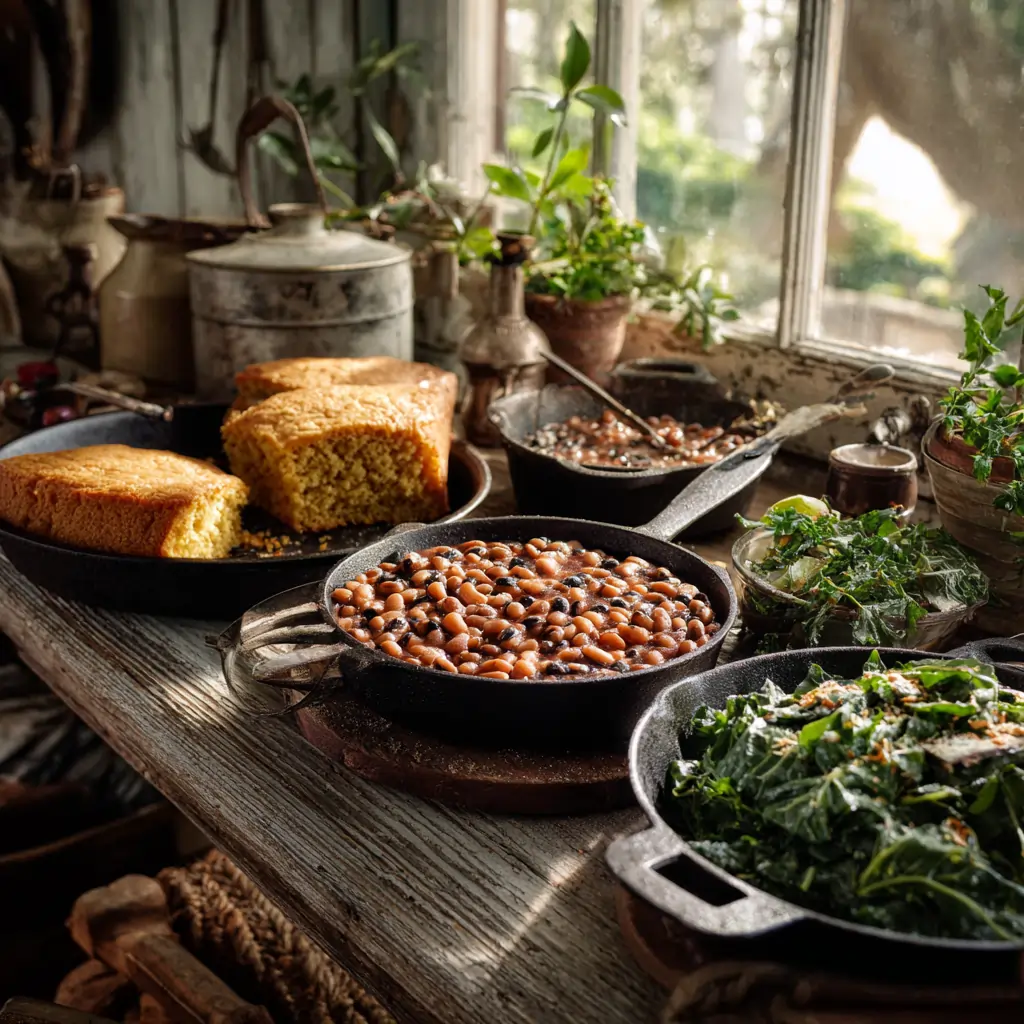
In many Southern U.S. households, no New Year’s Day is complete without a steaming bowl of black-eyed peas. These humble legumes aren’t just comfort food — they’re believed to bring prosperity and good fortune for the year ahead. Dating back to the Civil War era, when they were one of the few crops that survived Sherman’s March, black-eyed peas came to symbolize resilience and hope.
👵🏽 My grandmother used to say, “Eat your peas and the money will follow!” – and she never missed a year. 😄 Traditionally served as Hoppin’ John, a dish made with black-eyed peas, rice, and pork (often bacon or ham hock), it’s a hearty start to the year.
To “complete” the luck, it’s common to serve this dish alongside collard greens (symbolizing money) and golden cornbread (representing wealth). Whether you believe in the superstition or just love good food, it’s a tasty tradition worth keeping. 💰✨
Table of Contents
Grapes at Midnight – The Spanish Tradition 🍇
As the clock strikes midnight on New Year’s Eve, families across Spain and Latin America gather with one simple item in hand: twelve grapes. Each grape represents one month of the year ahead — and the goal is to eat all twelve in sync with the twelve bell chimes at midnight. If you succeed, you’re believed to secure a year filled with luck and good fortune. 🍀
This tradition, known as “las doce uvas de la suerte” (the twelve grapes of luck), dates back to the early 1900s. Spanish winemakers are said to have promoted the practice during a grape surplus — and it stuck! 🇪🇸
Nowadays, the tradition is enjoyed worldwide. Some people prepare their grapes in advance, removing seeds or chilling them for a refreshing bite. Others thread them onto skewers or serve them with a sip of bubbly. However you do it, don’t forget to make a wish with every grape! ✨🍇
Greens & Cabbage – Money and Growth 🥬

When it comes to symbolic New Year’s food, leafy greens and cabbage are all about the money. Their green color resembles folded cash, which is why many cultures believe that eating them on January 1st will bring financial prosperity in the year ahead. 💵
In the Southern United States, collard greens are the go-to dish. They’re often simmered with smoked meats like ham hocks or turkey necks for deep, savory flavor. In Eastern European countries like Poland and Hungary, stuffed cabbage rolls filled with meat and rice are the traditional pick — hearty, comforting, and packed with meaning.
My own family started adding cabbage to our New Year’s meal just a few years ago, and now it feels incomplete without it. Whether sautéed, stewed, or rolled up with love, greens and cabbage are a delicious reminder to grow, thrive, and manifest abundance in the coming year. 🌿✨
Pork – Progress and Abundance 🐖
If there’s one meat that dominates New Year’s tables around the world, it’s pork — and that’s no coincidence. Pigs symbolize progress, because they root forward when they eat, unlike animals like chickens or lobsters that scratch or move backward (often seen as bad luck). 🐷
In many cultures, pork is a sign of wealth, growth, and moving ahead in life. In Germany and Austria, people eat pork sausages or roast pork, sometimes even shaped like pigs for good luck. In the Southern U.S., pork is a key part of Hoppin’ John, and in the Philippines, a whole roasted pig, or lechon, takes center stage during New Year’s feasts.
No matter the form — from crispy bacon to tenderloin or sausage — pork is more than just tasty. It’s a hopeful tradition that celebrates forward momentum and abundance. So when you’re planning your New Year’s menu, don’t forget to add a little pork to the plate for a prosperous start. 🥓💫
Long Noodles – Longevity in Asian Cultures 🍜
In many Asian cultures, long noodles are eaten during New Year celebrations to symbolize a long and healthy life. But there’s one important rule: don’t break the noodles! Cutting them is thought to shorten your life or bring bad luck, so they’re cooked and eaten as long as possible. 😮🍜
In Japan, a special dish called Toshikoshi Soba (year-crossing noodles) is served on New Year’s Eve. The buckwheat noodles represent resilience and letting go of the past year. In China, longevity noodles are often stir-fried or served in broth, meant to be slurped up in one continuous strand. In Korea, rice cake soup (Tteokguk) is more common, but long noodles are still seen in many households.
When I visited Tokyo one New Year’s, I joined a local family in slurping soba together — no talking, just gratitude. It felt sacred, simple, and full of meaning.
Whether homemade or ordered in, long noodles are a fun, flavorful, and symbolic way to welcome a new chapter — one you hope stretches far and wide. 🧧✨
Dumplings & Round Foods – Wealth & Togetherness 🥟
Few New Year’s foods carry as much symbolism — and deliciousness — as dumplings. In many East Asian cultures, dumplings represent wealth, because their shape resembles ancient gold or silver ingots. Folding them during New Year celebrations isn’t just cooking — it’s welcoming prosperity with every pinch. 🥠💰
In China, it’s common for families to gather on New Year’s Eve and make dumplings together — some even hide a coin inside one for extra luck. Fillings range from pork and chive to shrimp, tofu, or mushrooms, depending on tradition and taste. The important part is the act of making them together, which brings closeness and shared hope for the future.
Round foods in general — like mochi, oranges, buns, or meatballs — symbolize wholeness, unity, and good luck. The circle is a powerful shape in many cultures, representing the cyclical nature of life and renewal.
Growing up, my best friend’s family would make hundreds of dumplings together every December 31st. It was chaos — in the best way. 😄
So whether you’re crafting dumplings from scratch or picking them up frozen, remember: every bite could be a bite of good fortune. 🥟✨
Cornbread – Golden Fortune 🍞
Cornbread may seem simple, but on New Year’s Day, it takes on a whole new meaning — especially in the Southern United States. Its golden color represents wealth, prosperity, and good fortune, much like coins or gold bars on your plate. 🌟
Typically served alongside black-eyed peas and collard greens, cornbread completes the Southern “money meal”: greens for cash, peas for coins, and cornbread for gold. Some families even add corn kernels to the batter, symbolizing nuggets of gold for extra luck. ✨
It’s also a nod to harvest and abundance, reminding us to be grateful for what we have while hoping for more in the year to come. Crispy on the outside, soft on the inside, and just a little bit sweet — it’s the perfect bite to wrap up a tradition-rich meal.
Growing up, we’d bake a big skillet of cornbread every New Year’s Day — and it was always the first thing to disappear. 🫓💛
So if you’re looking to add some gold to your new year, this humble bread might just be your lucky charm.
Unique New Year’s Food Traditions Around the World 🌍
Print
New Year’s Good Luck Plate
- Total Time: 1 hour
- Yield: 4 servings 1x
- Diet: Vegetarian
Description
A classic Southern-inspired New Year’s Day plate featuring black-eyed peas, sautéed greens, and golden cornbread — all symbolizing luck, wealth, and prosperity.
Ingredients
- For the Black-Eyed Peas:
- 1 cup dried black-eyed peas (or 2 cans, drained)
- 4 cups vegetable or chicken broth
- 1 small onion, chopped
- 2 cloves garlic, minced
- 1 smoked turkey leg or ham hock (optional)
- Salt & pepper to taste
- 1 tsp smoked paprika
- For the Greens:
- 1 bunch collard greens, washed and chopped
- 1 tbsp olive oil or bacon grease
- 2 cloves garlic, minced
- 1/4 cup vegetable broth
- Dash of red pepper flakes
- For the Cornbread:
- 1 cup cornmeal
- 1 cup buttermilk
- 1 egg
- 1/2 tsp baking soda
- 1/4 cup melted butter
- 1 tbsp honey (optional)
Instructions
- Prepare the Peas:
- Soak dried black-eyed peas overnight. In a large pot, sauté onion and garlic. Add peas, broth, smoked meat (if using), paprika, salt, and pepper. Simmer 45–60 minutes until tender. For canned peas, reduce cooking time to 20 minutes.
- Cook the Greens:
- Heat oil in a pan, add garlic and red pepper flakes. Add collard greens and broth. Sauté until wilted and tender (about 10–15 minutes). Season to taste.
- Bake the Cornbread:
- Preheat oven to 400°F (200°C). In a bowl, mix cornmeal, baking soda, egg, buttermilk, melted butter, and honey. Pour into a greased skillet or baking dish. Bake for 20–25 minutes until golden brown.
- Assemble & Serve:
- Plate the peas, greens, and a warm slice of cornbread. Serve with hot sauce or apple cider vinegar if desired.
Notes
- You can swap collards for kale or mustard greens.
- Add cooked rice to the peas to make “Hoppin’ John”.
- Make it vegan by omitting meat and using veggie broth.
- Prep Time: 15 minutes
- Cook Time: 45 minutes
- Category: Main Course / Holiday Meal
- Method: Boil, Sauté, Bake
- Cuisine: Southern / Global-Inspired
Nutrition
- Serving Size: 1 plate
- Calories: 420 kcal
- Sugar: 5 g
- Sodium: 580 mg
- Fat: 12 g
- Saturated Fat: 4 g
- Unsaturated Fat: 7 g
- Trans Fat: 0 g
- Carbohydrates: 58 g
- Fiber: 8 g
- Protein: 15 g
- Cholesterol: 45 mg
While many of us focus on peas, pork, or grapes to ring in the new year, cultures around the world bring incredible variety and meaning to their New Year’s tables. Let’s explore some of the most fascinating and flavorful traditions from across the globe:
🇯🇵 Japan – Toshikoshi Soba
Eaten on New Year’s Eve, these buckwheat noodles symbolize cutting ties with the past and welcoming longevity. The long strands are slurped silently with gratitude.
🇮🇹 Italy – Lentils (Lenticchie)
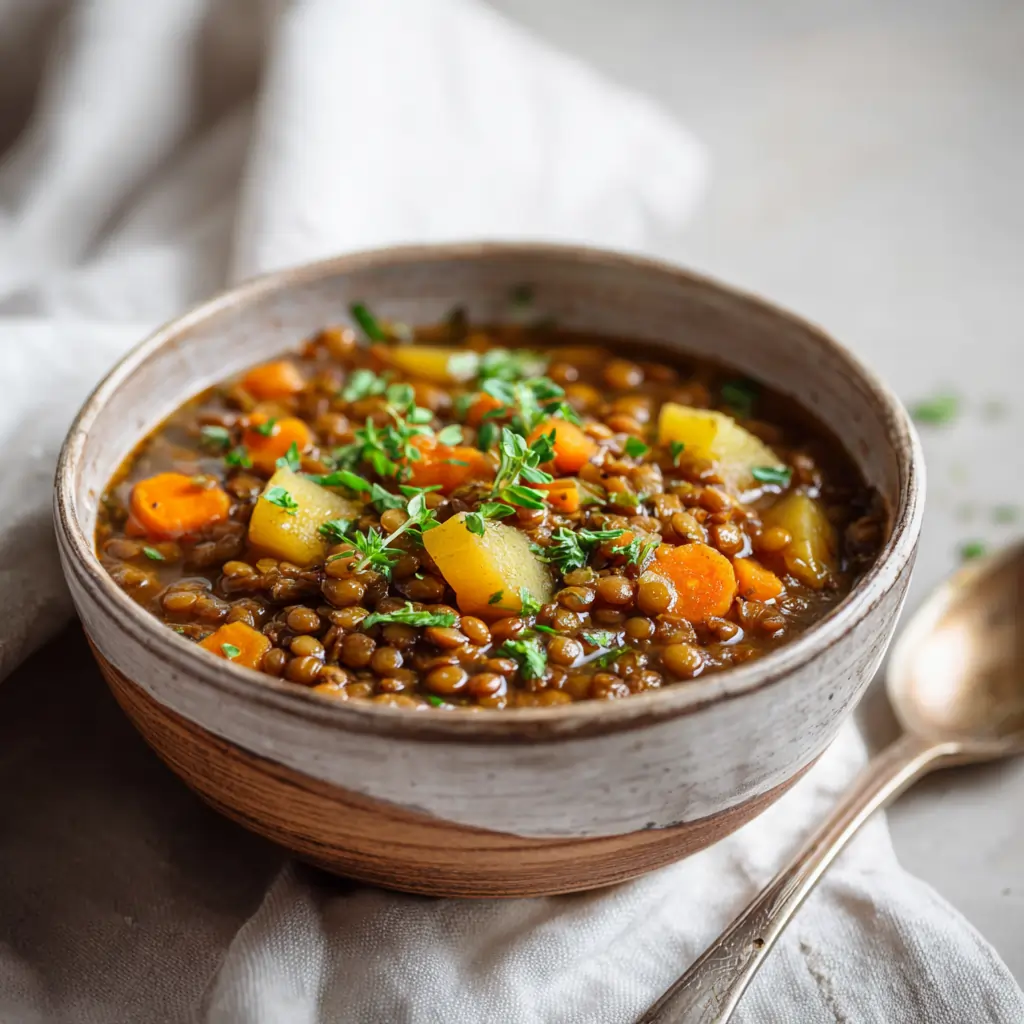
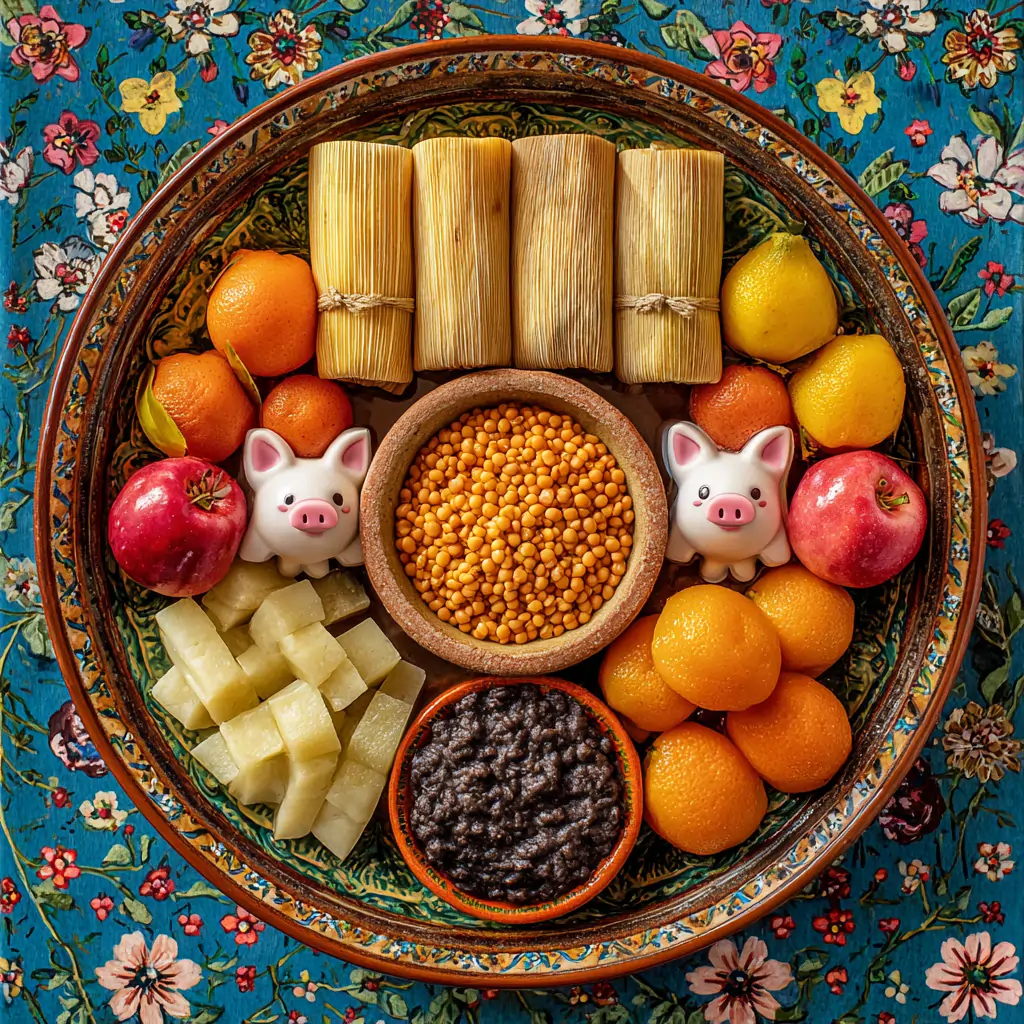
Lentils are believed to resemble coins, and eating them at midnight (often with pork sausage) is said to ensure wealth in the year ahead.
🇵🇭 Philippines – 12 Round Fruits
Filipino families display and eat 12 round fruits, one for each month, to attract prosperity and positive energy. Grapes, oranges, apples, and even dragon fruit are common. 🍊🍇🍎
🇲🇽 Mexico – Tamales
Made of masa (corn dough) and filled with meats or cheese, tamales are a traditional celebration food. Families prepare them together as a symbol of unity and abundance.
🇩🇪 Germany – Marzipan Pigs
Glücksschwein (“lucky pig”) made of marzipan is gifted for good luck and sweet beginnings. It’s as charming as it is delicious. 🐖🍬
🇳🇬 Nigeria – Jollof Rice
A rich and spicy one-pot dish served during festive events. In Nigeria and parts of West Africa, it symbolizes celebration, joy, and sharing with loved ones.
🇩🇰 Denmark – Kransekage
A towering almond ring cake eaten on New Year’s Eve, often topped with flags and firecrackers. It’s a toast to love, luck, and celebrations to come. 🎂🎆
From spicy stews to sweet pastries, these diverse dishes show how food connects us all, no matter where we are in the world — especially at the start of a brand new year. 🌟
What NOT to Eat on New Year’s Day ❌
While some foods are believed to bring good luck and prosperity, others are said to do the opposite — and many people avoid them on New Year’s Day to keep bad luck, setbacks, or misfortune at bay. Here are a few you might want to skip when planning your New Year’s feast:
🦞 Lobster
It may be fancy, but in some cultures, lobsters move backward, symbolizing regression instead of progress. Starting the year with lobster is thought to cause setbacks or missed opportunities. Better save it for another day!
👉 Learn more about why some avoid lobster on New Year’s Day.
🐓 Chicken
Chickens scratch backward, and they’re also associated with poverty or scarcity in folklore. Some believe eating chicken could “scratch away” your good fortune — or even lead to bad financial luck.
❄️ White Foods (in some Asian cultures)
In parts of Asia, white is traditionally linked to mourning and funerals. Foods like white rice or tofu might be avoided at the New Year table to steer clear of sad or negative energy.
🥡 Leftovers
While practical, some say eating leftovers on New Year’s means you’ll carry the past into the future — and miss out on fresh opportunities. A clean plate may symbolize a clean slate.
Of course, superstitions vary widely and are meant to be taken with a grain of salt — but if you’re hoping to set a positive tone for the year, it can’t hurt to eat with intention. ✨
Modern New Year’s Recipes with a Twist 🧑🍳
While tradition holds a special place at the New Year’s table, more people are embracing modern recipes that honor symbolic ingredients while reflecting today’s tastes — from plant-based lifestyles to global fusion flavors. Whether you’re throwing a party or having a quiet night in, these creative takes on classic New Year’s dishes will bring both flavor and meaning to your celebration.
🥗 Vegan Black-Eyed Pea Salad
A fresh, plant-based twist on the Southern staple. Combine black-eyed peas, chopped kale, red onion, cucumber, and a lemon vinaigrette. It’s vibrant, lucky, and super nourishing — prosperity with a crunch!
🥟 Fusion Dumplings
Try filling dumpling wrappers with unexpected flavors like spicy lentil curry or roasted mushrooms with thyme and goat cheese. The round shape still symbolizes wealth, but the taste? Pure innovation.
🍲 Spiced Lentil & Greens Stew
Inspired by both Italian and Southern traditions, this stew combines green lentils, spinach, carrots, and a touch of turmeric and cumin. Serve with toasted cornbread or flatbread — golden fortune meets global spice.
🍇 Grape & Champagne Sorbet
A playful spin on the Spanish 12 grapes tradition. Blend grapes, sugar, and a splash of sparkling wine into a chilled dessert that celebrates sweet beginnings — one spoonful for every lucky month.
Looking for more inspiration? Check out more lucky New Year’s recipe ideas on Allrecipes — you might just discover a new tradition! ✨
These dishes prove that you don’t have to stick to the same old menu to keep the meaning alive. A little creativity in the kitchen can bring both flavor and fortune to your New Year’s table. 🍴✨
Party-Ready Appetizers & Desserts for NYE 🎉
New Year’s Eve is all about celebration — and your food should reflect that. Whether you’re hosting a big bash or keeping it cozy, bite-sized treats and sweet finales bring fun, flavor, and a dash of good luck to the table. These party-perfect ideas blend tradition with creativity, and they’re sure to impress your guests (or just make you smile at midnight). 🥂
🍔 Mini Pork Sliders
A nod to pork’s symbolism of progress and abundance, these juicy sliders are easy to make and perfect for grazing. Serve with a tangy slaw or spicy mustard for a flavor punch that keeps everyone coming back.
🍰 Fortune Cookie Cheesecake Bites
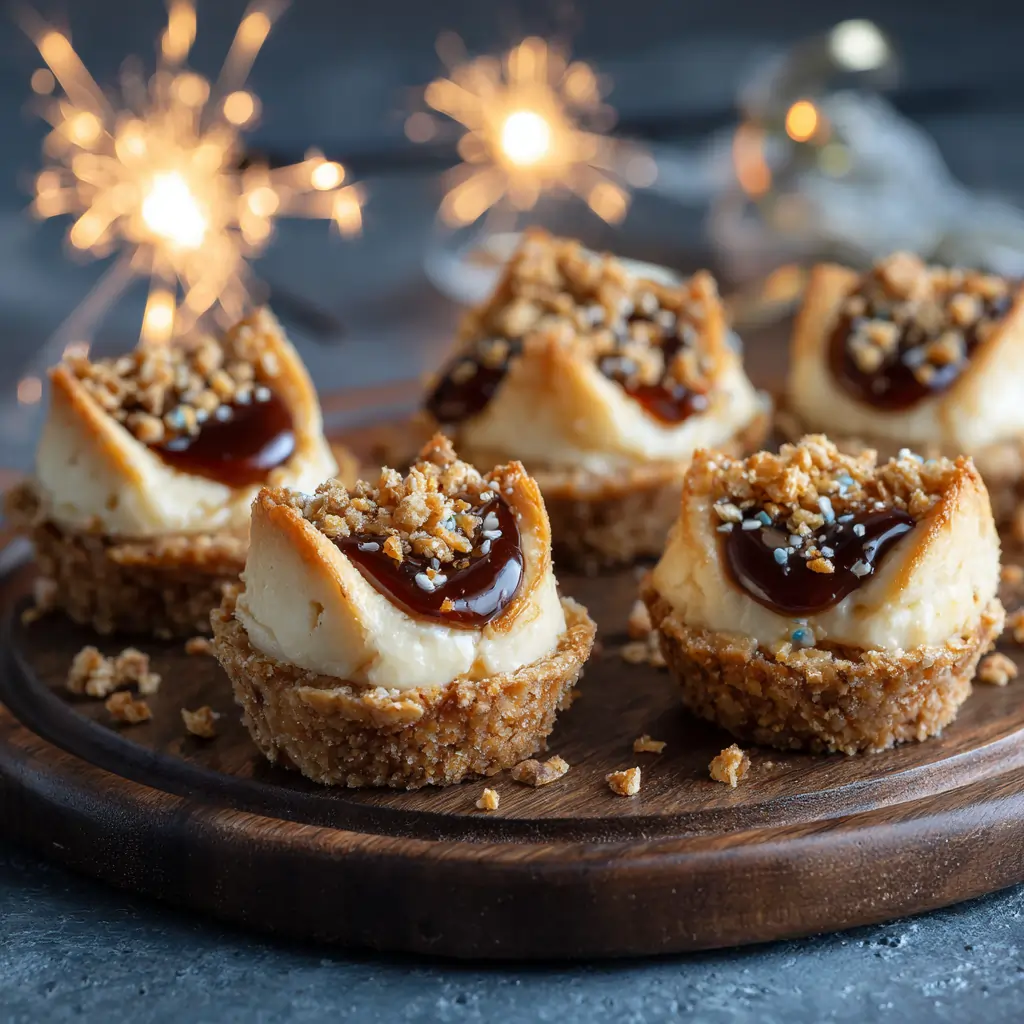
These sweet little bites combine a classic symbol of luck with creamy indulgence. Bake cheesecake squares on a graham cracker crust, and top each one with a broken fortune cookie and edible gold dust. ✨
🍇 Grape & Cheese Skewers
Honor the Spanish tradition of 12 grapes with a classy appetizer: grapes paired with cubes of sharp cheddar or brie, drizzled with honey or balsamic glaze. A perfect combo of sweet, savory, and lucky.
🌍 Global Tasting Platter
Create a board featuring a mix of international New Year’s foods: dumplings (China), lentil salad (Italy), cornbread (USA), and marzipan pigs (Germany). It’s a conversation starter and a delicious way to celebrate global unity.
These small bites are big on symbolism — and guaranteed to keep spirits high as the countdown begins. 🎇
Healthy & Mindful Eating to Start the Year Right 🧘♀️
| Category | What to Eat | Why It’s Good for You | Symbolism / Tradition |
|---|---|---|---|
| Detox-Friendly | – Warm lemon water with ginger – Miso soup with mushrooms – Roasted veggies with herbs | Supports digestion, boosts immunity | Cleansing for a fresh start 🌿 |
| Plant-Based Options | – Black-eyed peas – Lentils – Grilled tofu or mushrooms | Protein-rich, heart-healthy, sustainable | Lentils = wealth, tofu = purity 🫘 |
| Brain & Energy Boosters | – Walnuts, flax seeds – Leafy greens – Whole grains (quinoa, brown rice) | Enhances focus and energy Rich in nutrients | Greens = growth Seeds = planting intentions 🌱 |
| Mindful Meals | – Light soups – Simple stews – Herbal teas | Encourages slow eating and reflection | Symbolizes clarity and calm beginnings 🧘 |
FAQs – Your New Year’s Food Questions Answered ❓
What is the lucky food to eat on New Year’s Day?
Some of the most widely recognized lucky foods include:
Black-eyed peas (symbolizing coins and prosperity)
Greens like cabbage or collards (representing money)
Pork (progress and abundance)
Grapes (luck for each month of the new year)
Lentils (especially in Italy, as a symbol of wealth)
These dishes are all about attracting fortune, success, and new beginnings. ✨
What food brings good luck on New Year’s Eve?
Foods that bring good luck on New Year’s Eve include:
Round foods like donuts, oranges, and mochi (symbolizing completeness)
Dumplings (shaped like ancient gold ingots)
Long noodles (for longevity — just don’t cut them!)
12 grapes at midnight (from Spanish tradition, for 12 months of luck)
Eating these before or during midnight is believed to start the year off on the right foot. 👣
What not to eat on New Year’s Day?
Avoid these if you’re feeling superstitious:
Lobster (moves backward = backward luck)
Chicken (scratches away your fortune)
White foods in some Asian cultures (associated with mourning)
Leftovers (considered “old” energy that might follow you into the new year)
Of course, it’s all symbolic — but why not stack the odds in your favor? 😉
What do Italians eat on New Year’s?
Italians traditionally eat lentils, often with cotechino sausage. Lentils resemble tiny coins and are believed to bring financial fortune. The dish is rich, warm, and deeply rooted in celebration.
Why do people eat 12 grapes at midnight?
This tradition comes from Spain and is now common in Latin America. Each grape represents one month of the year, and you’re meant to eat them — one by one — during the 12 chimes of midnight. 🍇
Conclusion – A New Year, A New Flavorful Beginning 🎆
Across cultures, continents, and kitchens, one thing remains true: food has the power to bring people together, tell stories, and inspire hope. Whether you’re serving up black-eyed peas in the American South, twirling soba noodles in Japan, or counting grapes at midnight in Spain, each tradition carries generations of meaning — and a shared wish for a better year ahead. 💫
In my own home, blending different food customs has become our own tradition — a delicious mix of heritage, gratitude, and intention. Every dish on the New Year’s table isn’t just something to eat, but something to believe in.
So as you plan your celebration, choose dishes that speak to you — whether that’s lucky lentils, sweet marzipan pigs, or a simple bowl of greens. Eat with joy, share generously, and step into the new year with a full heart (and maybe a full plate too). 🍽️💛
Cheers to abundance, good health, love, and lots of tasty moments in the year ahead! 🥂✨